
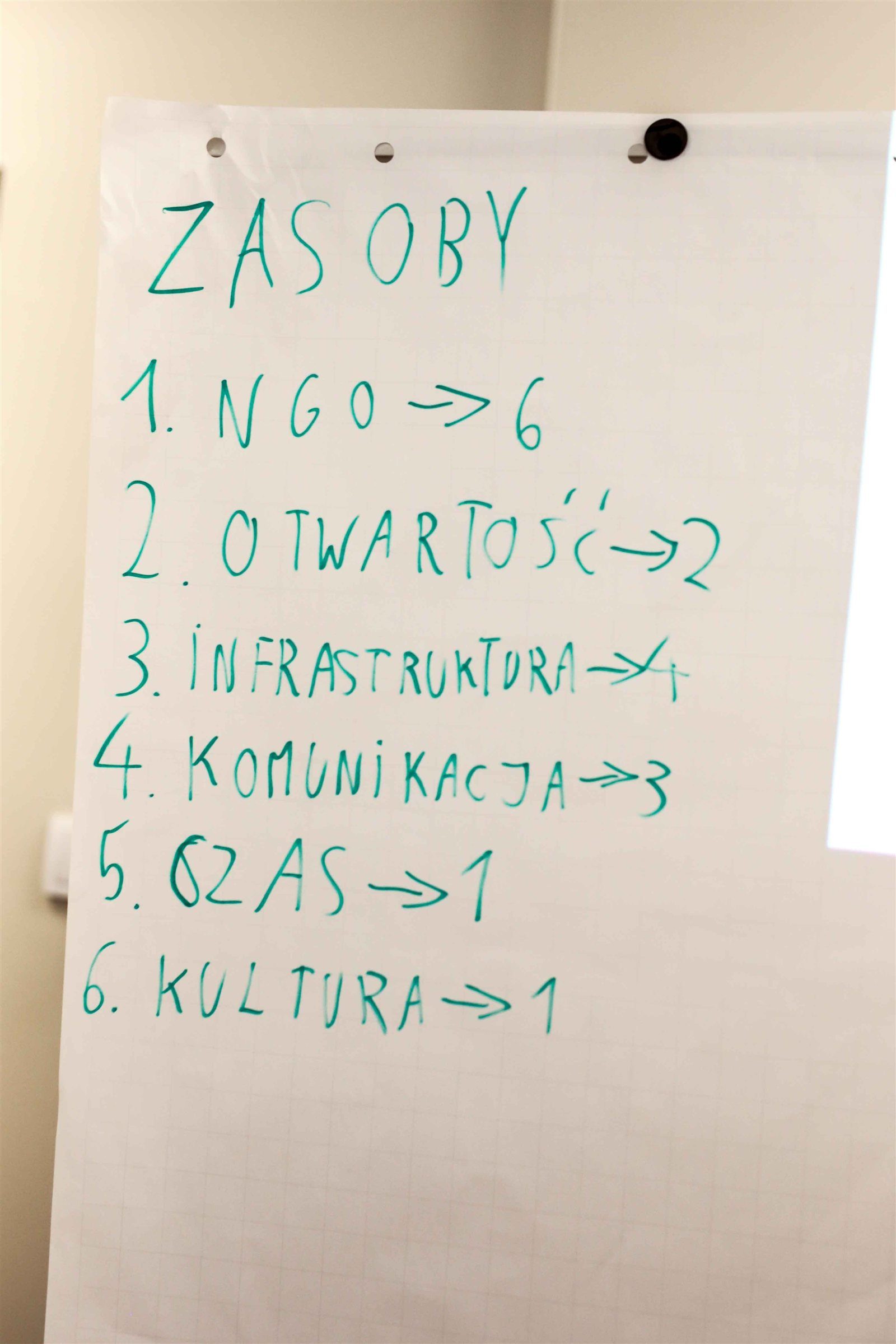
Active organisations, neighbourly contacts and a willingness to cooperate are resources on which local activity can be built. During the first “Rawicz in Dialogue” panel, however, participants pointed out that taking action also requires understandable formalities, accessible help and information that actually reaches the people concerned.
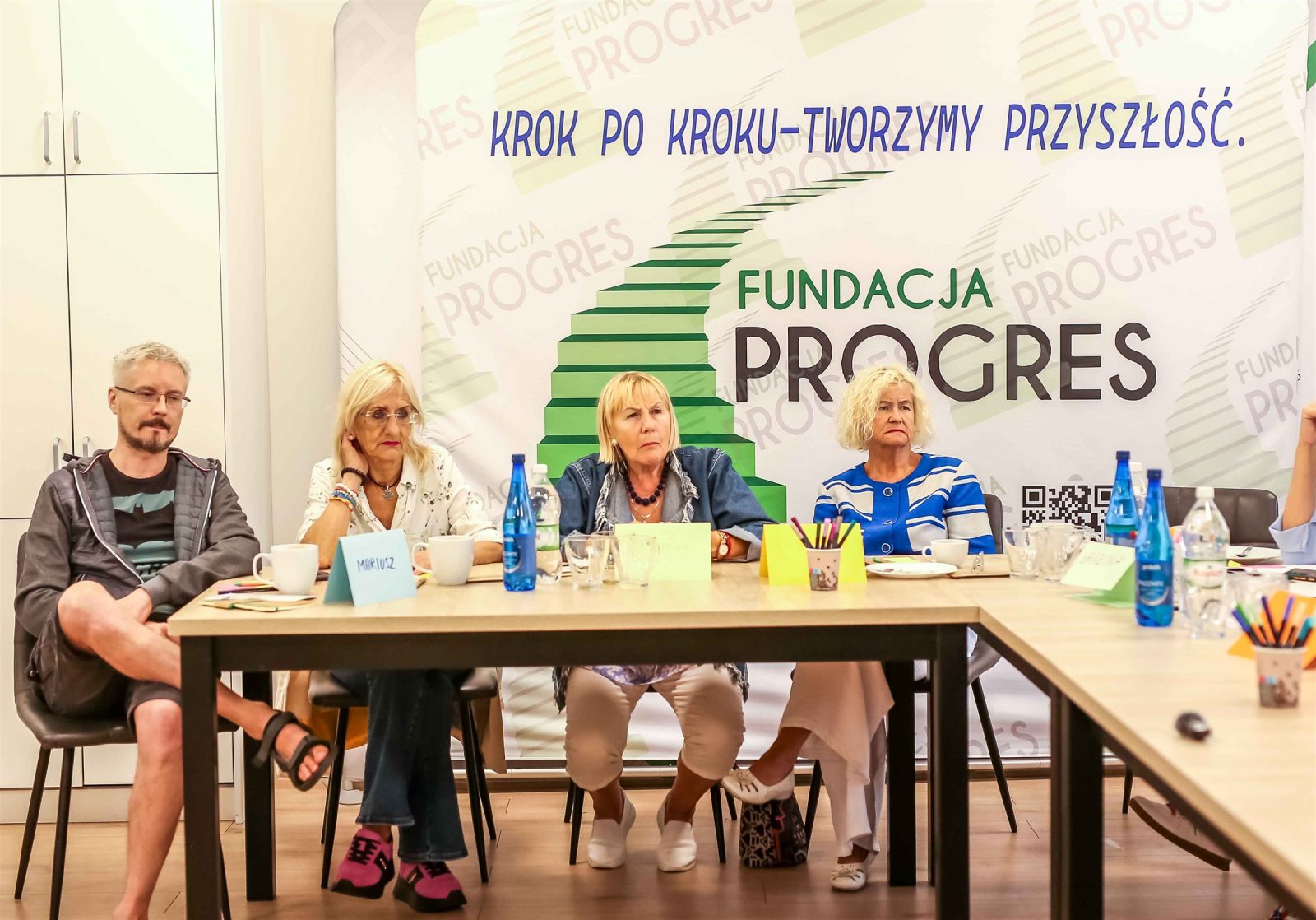
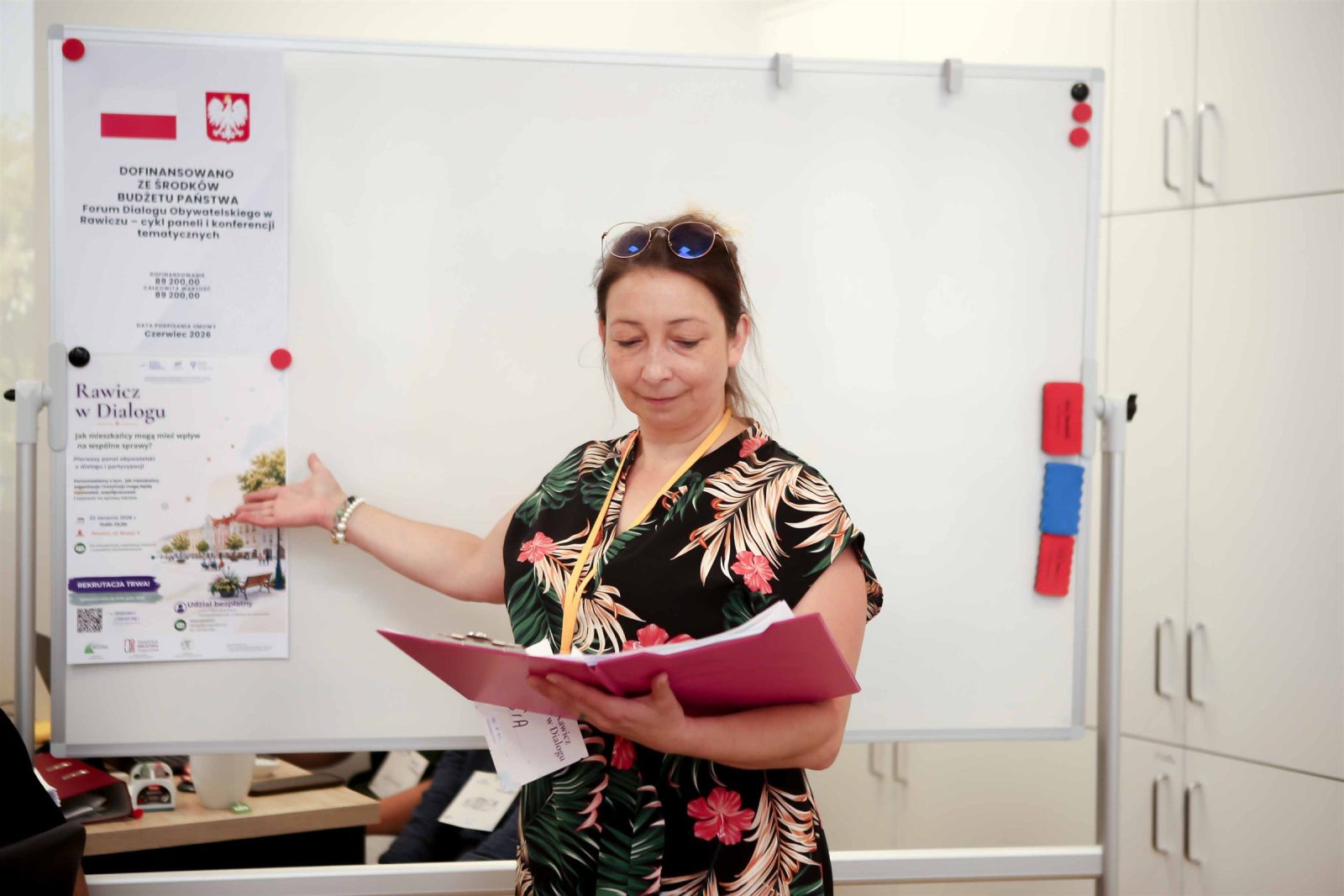
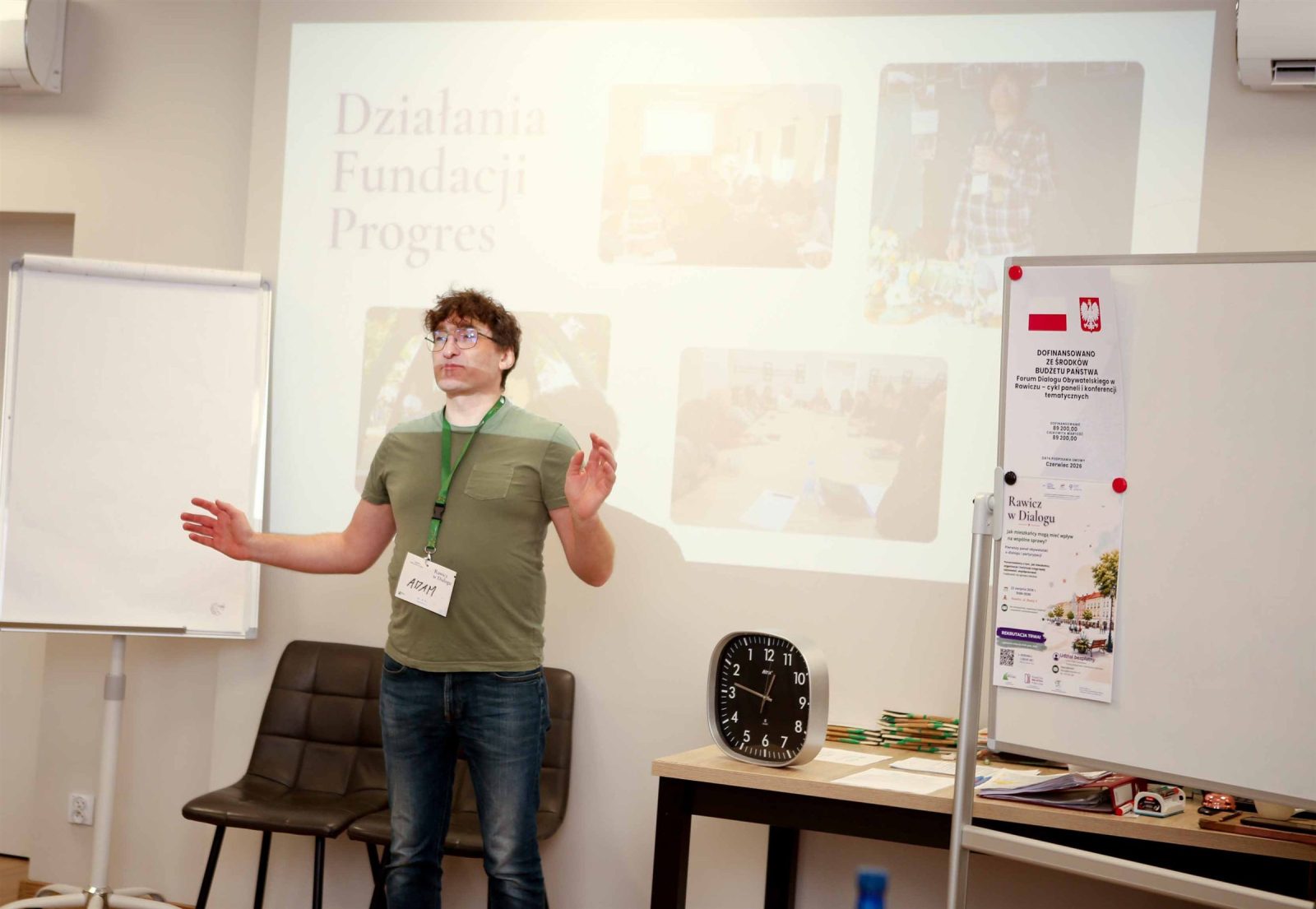
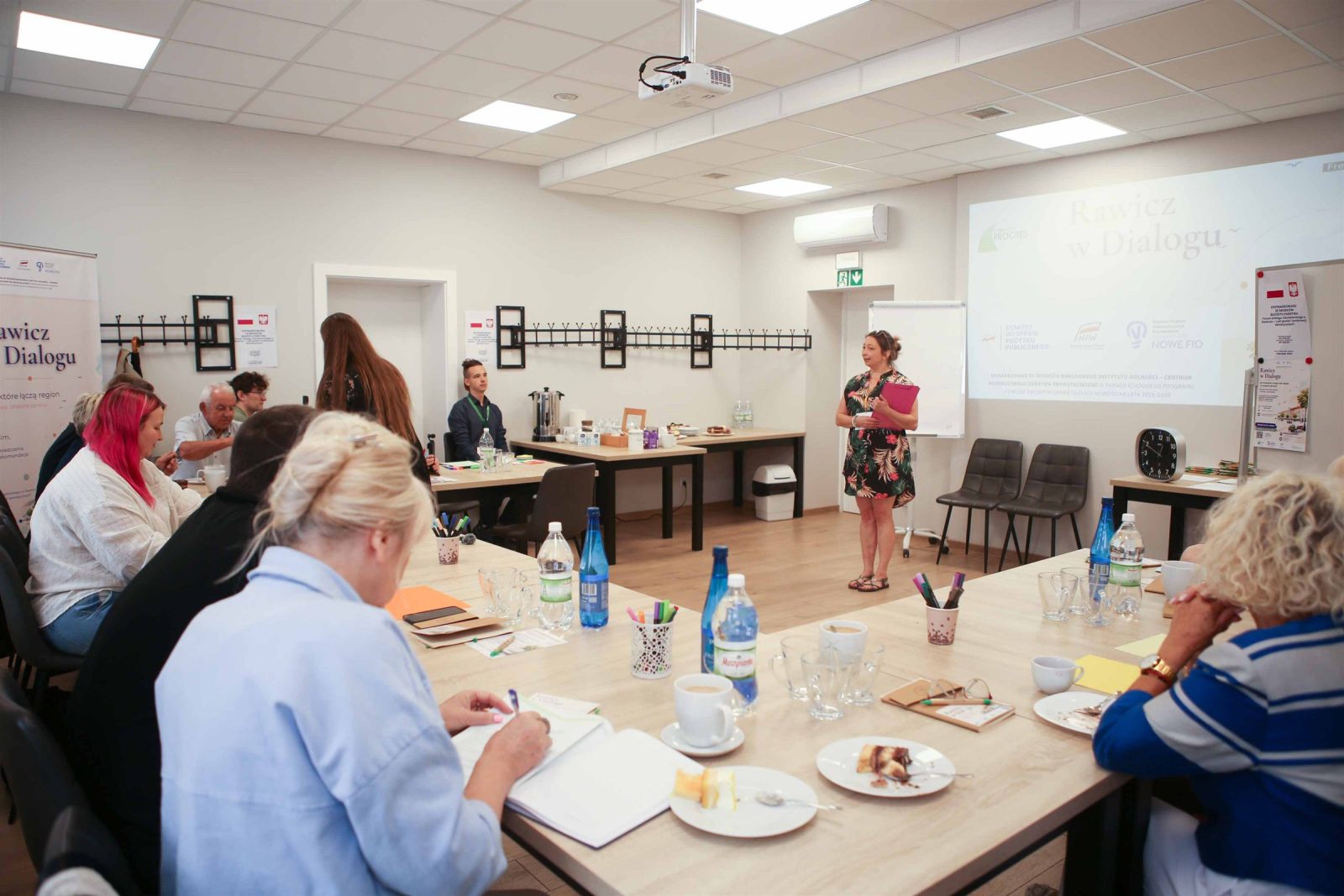
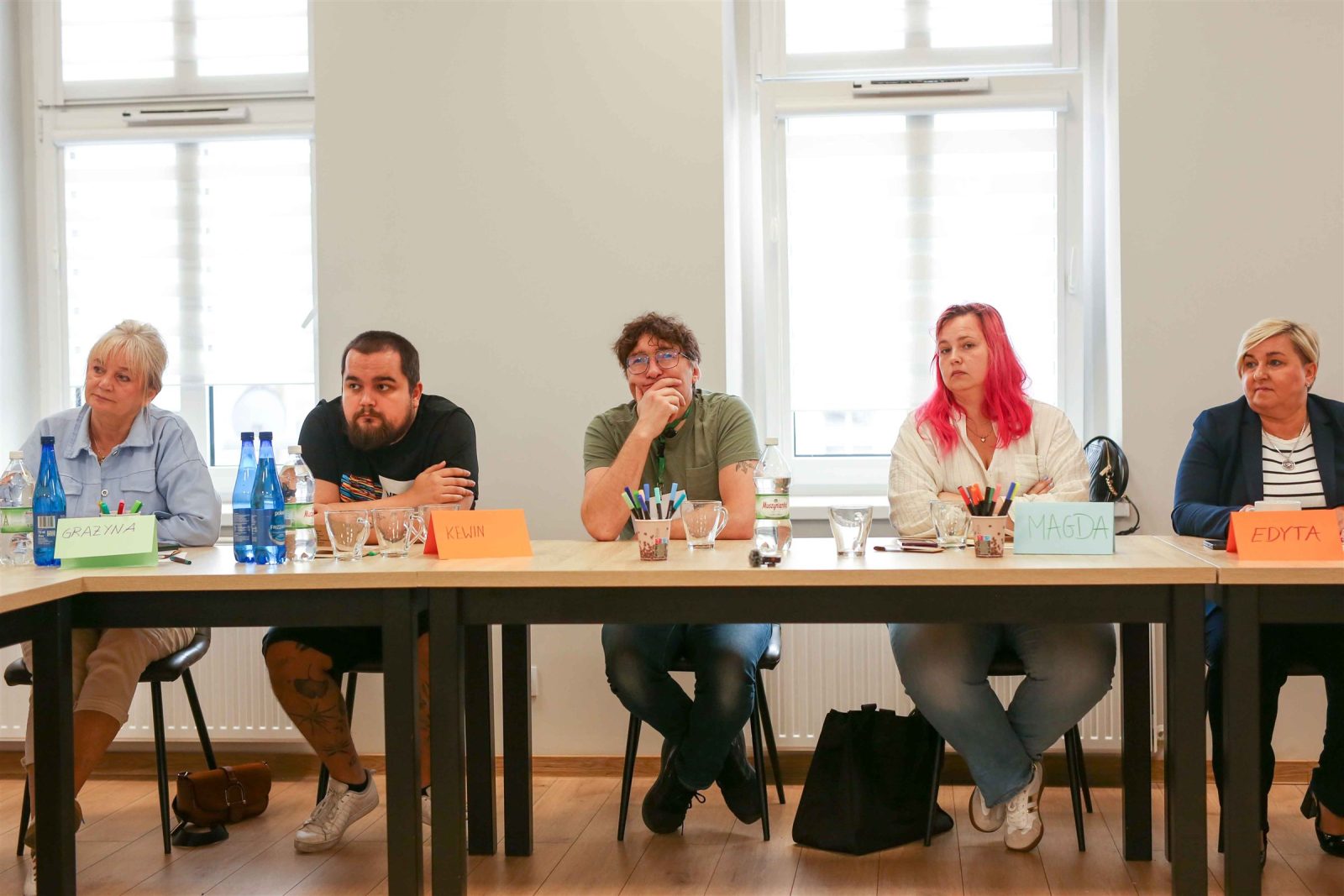
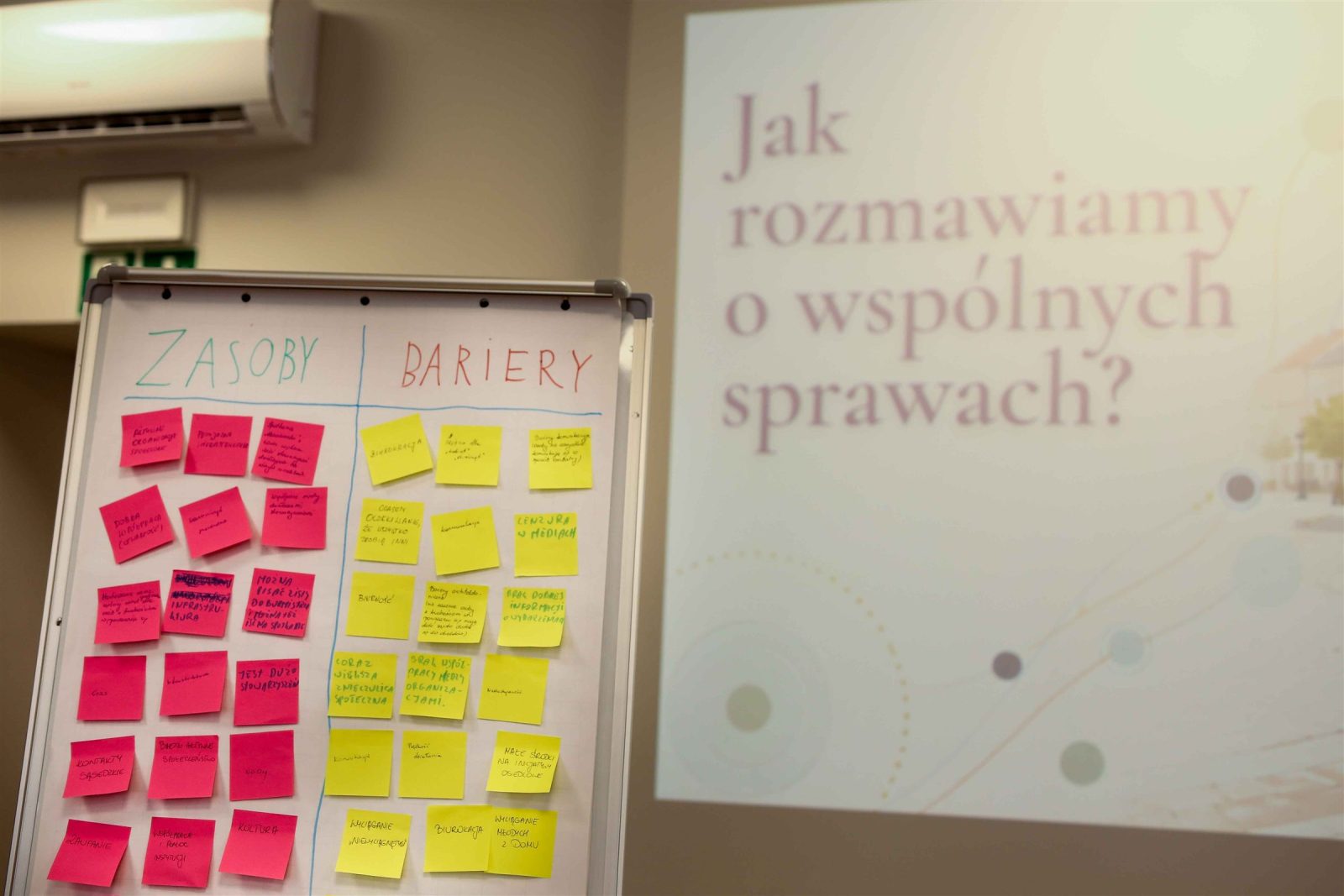
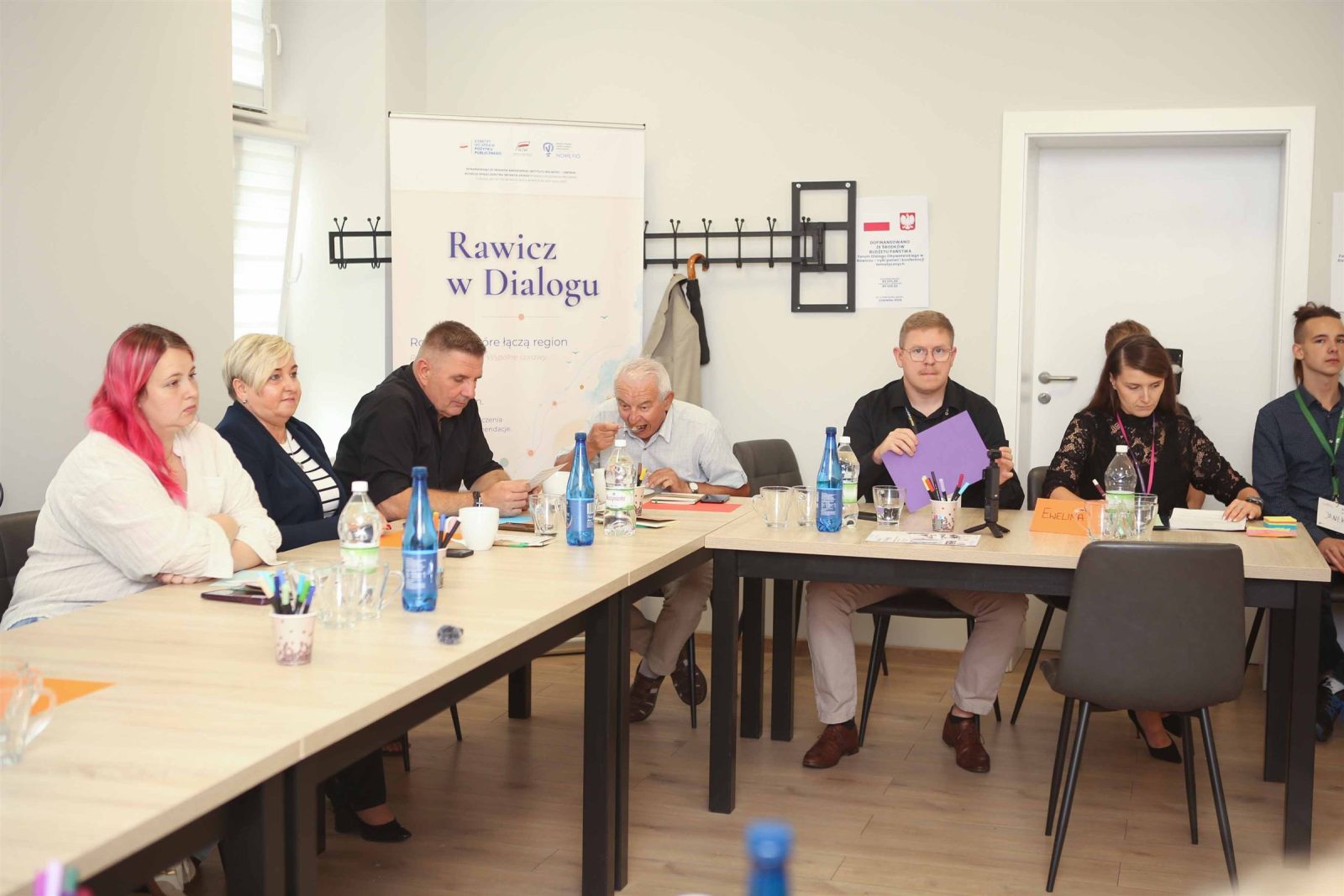
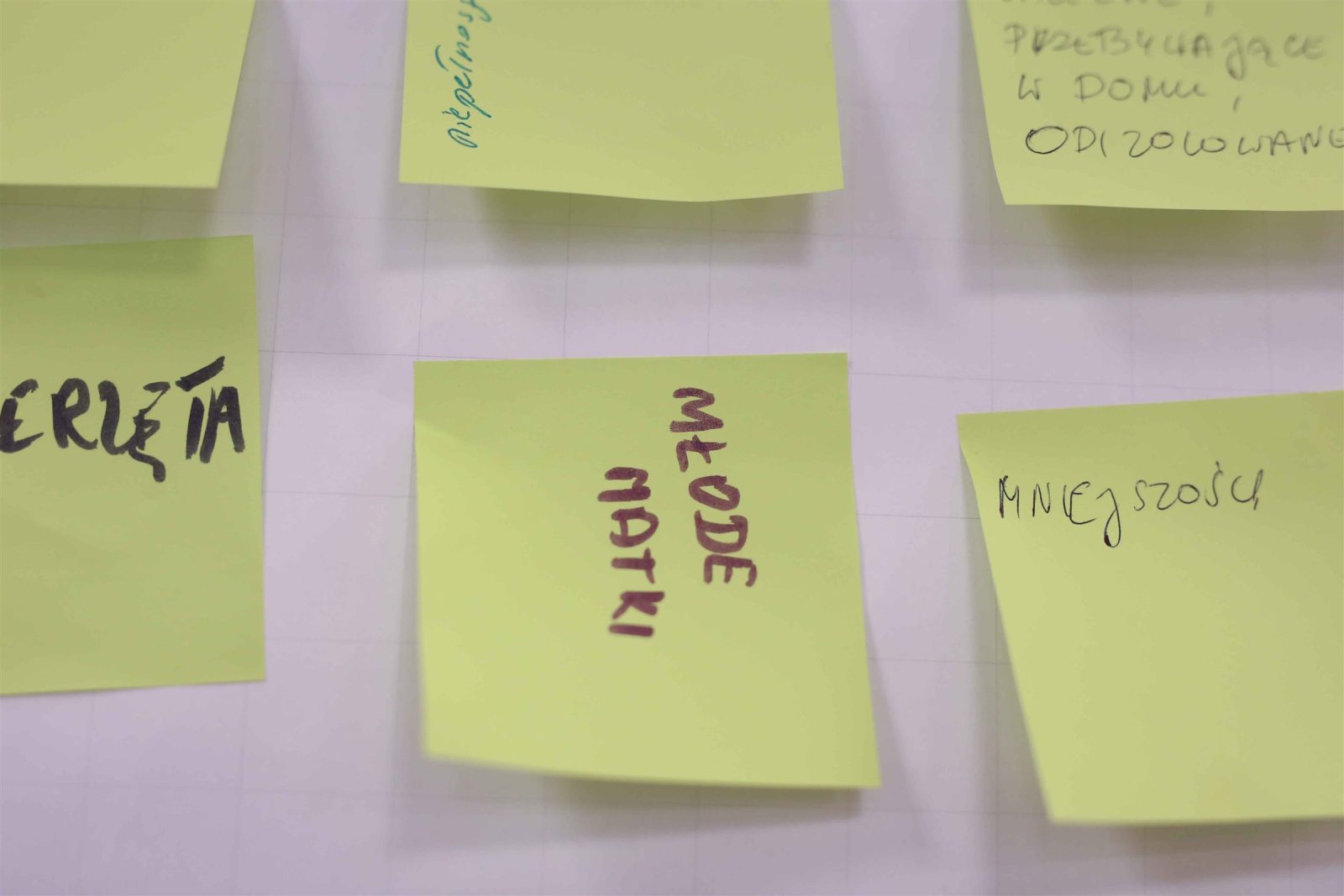
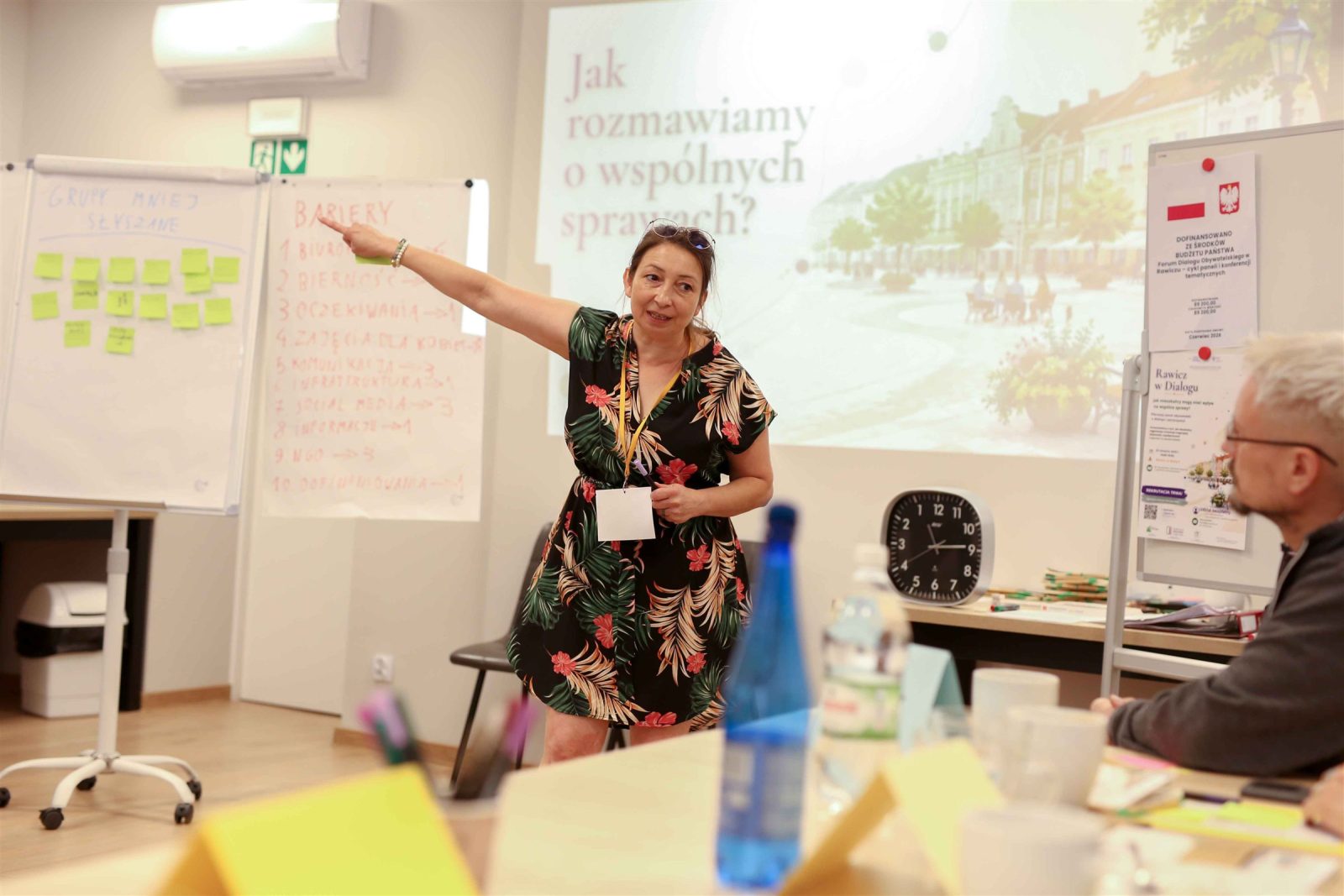
On 22 August 2026, the Progres Foundation held a meeting in Rawicz entitled “How do we talk about common matters?”. Residents and representatives of civil society organisations and local government discussed what makes it easier to take part in local life, what makes it harder, and whose voice is heard less. Resources were written on pink sticky notes, barriers on yellow ones. The result was a map of participants’ experiences, a starting point for further conversation.
What we can build on
Strengths mentioned included the commitment of community activists, available meeting places and openness to cooperation. Participants stressed that organisations reach people and problems that institutions do not always notice. Personal contacts matter too: knowing whom to call and whom to ask for support.
Bureaucracy – the longest conversation
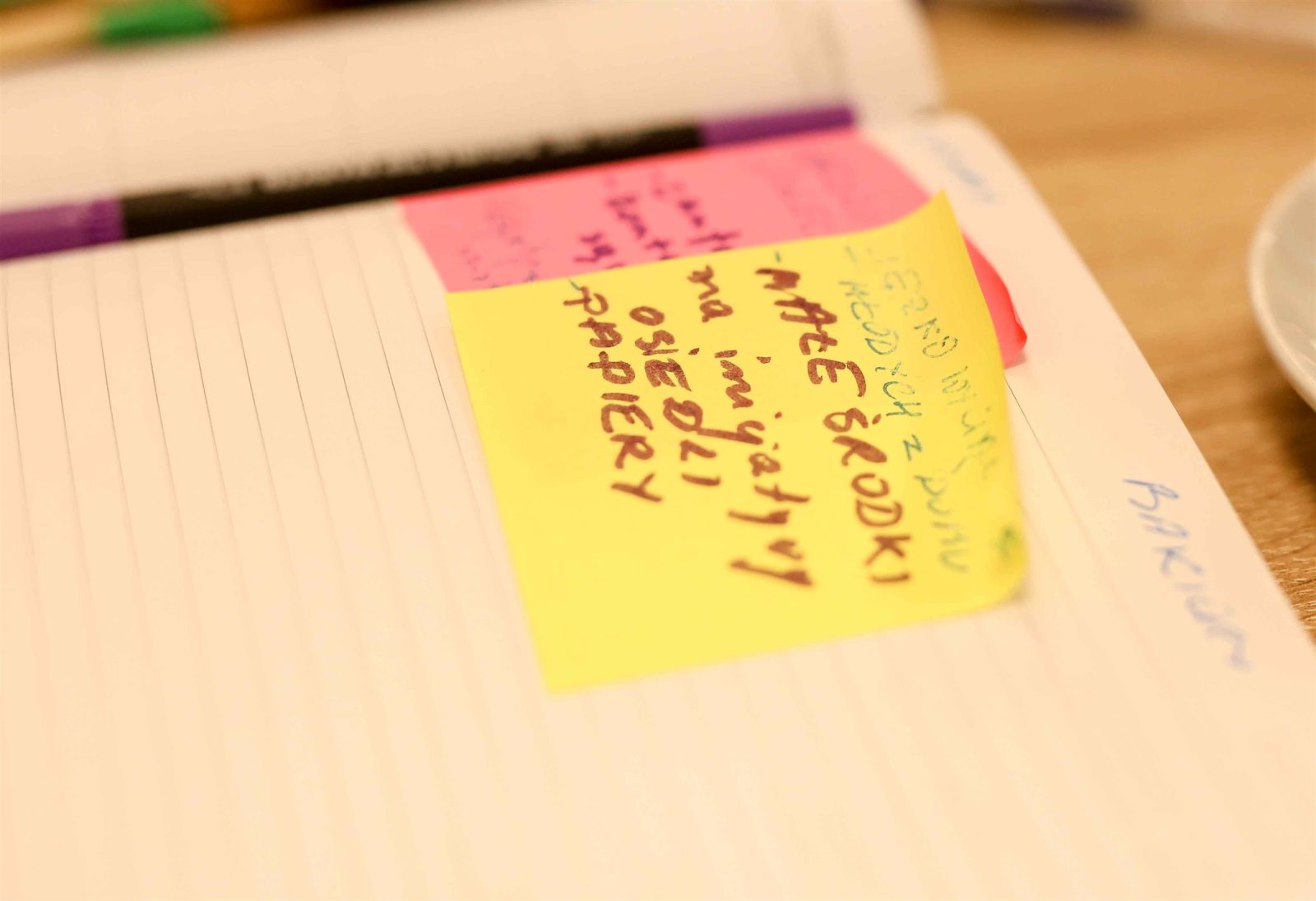
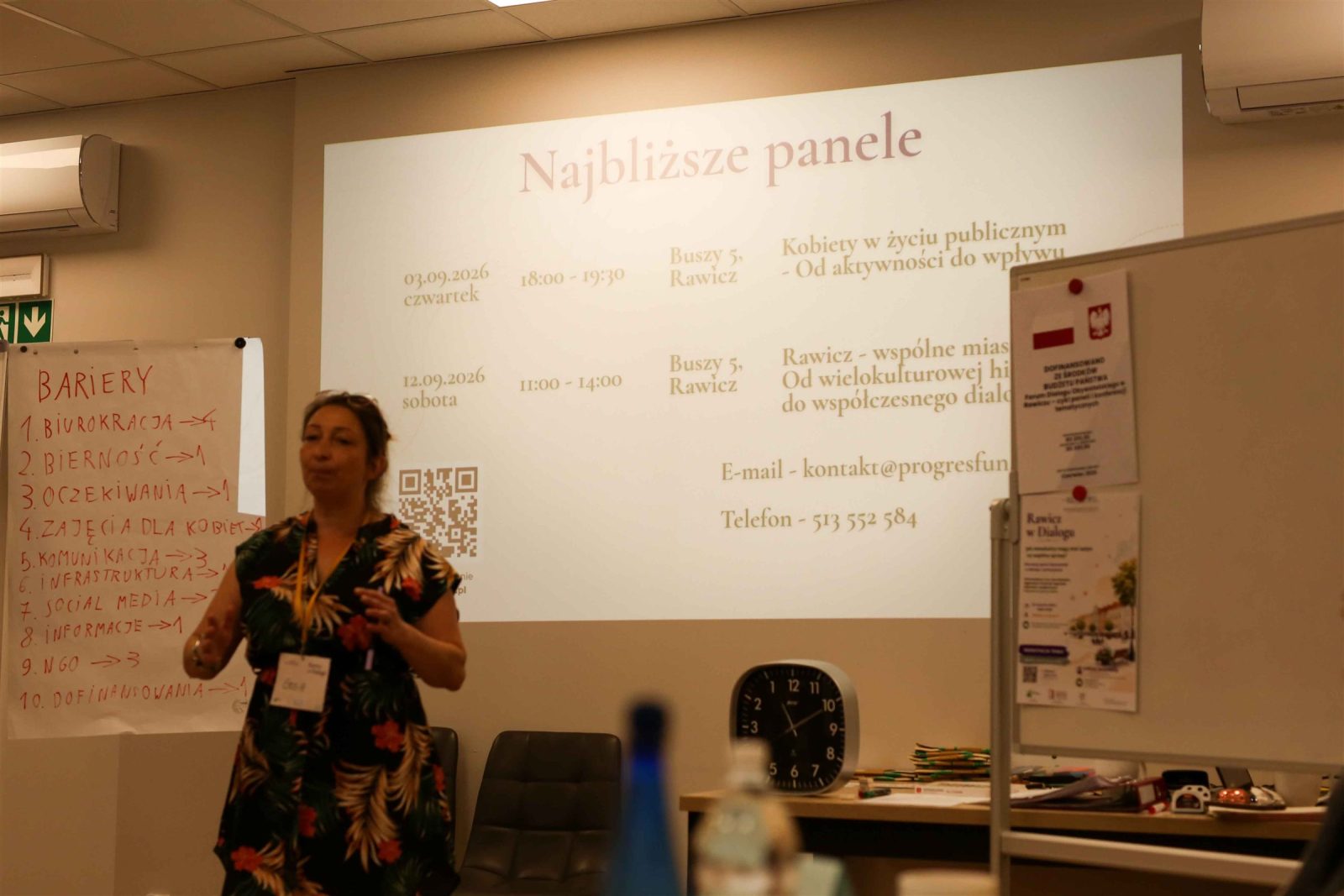
Bureaucracy received the most attention. Participants described formalities as time-consuming and discouraging, especially for new organisations and young people. They gave examples of informal groups that can organise joint activities quickly. At the same time, it was noted that procedures define responsibility and serve to account for public money. One idea was to support organisations with a person who helps with documents and financial reporting. Participants were also reminded of existing help that some of those interested do not know about.
Whose voice is heard less
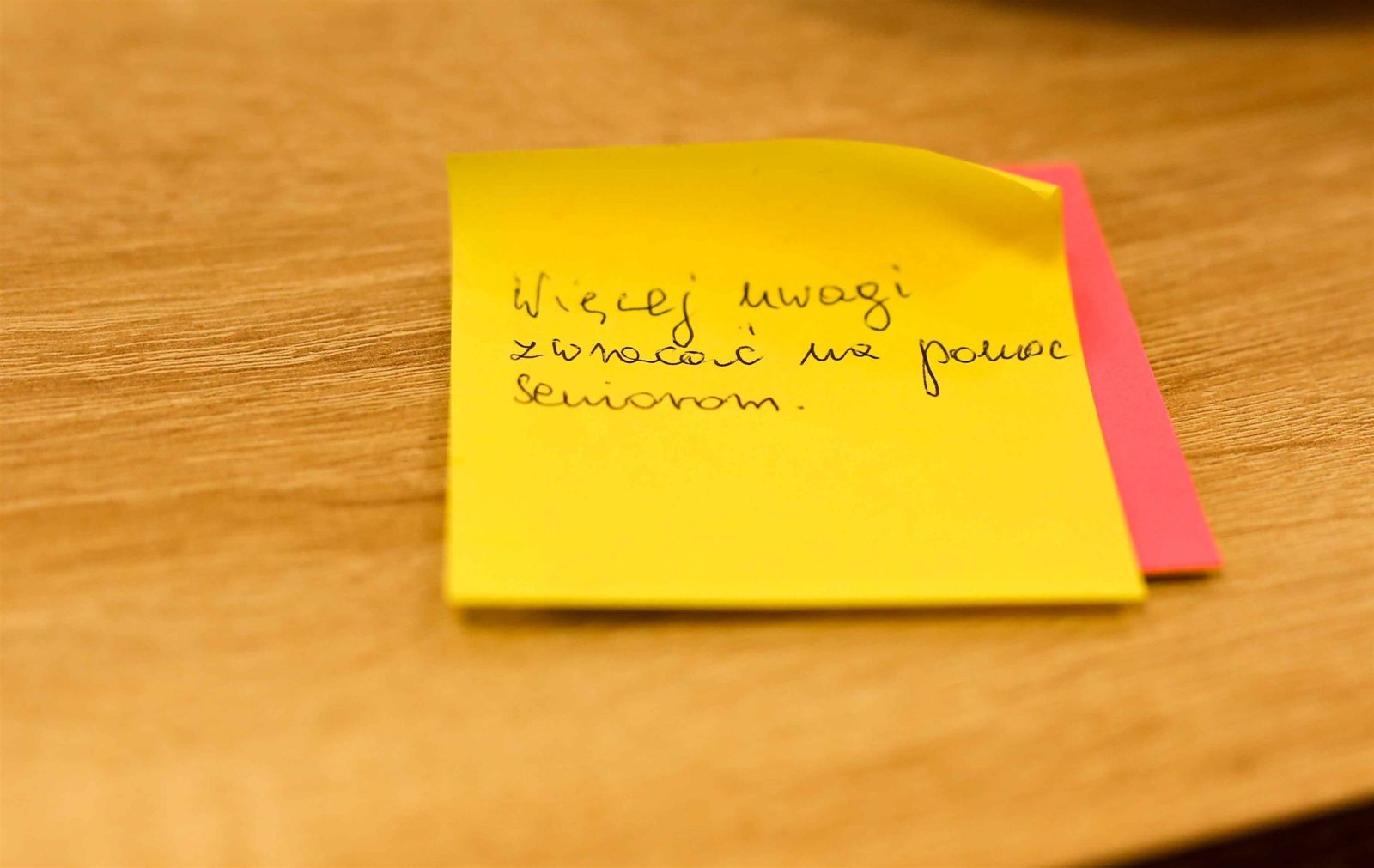
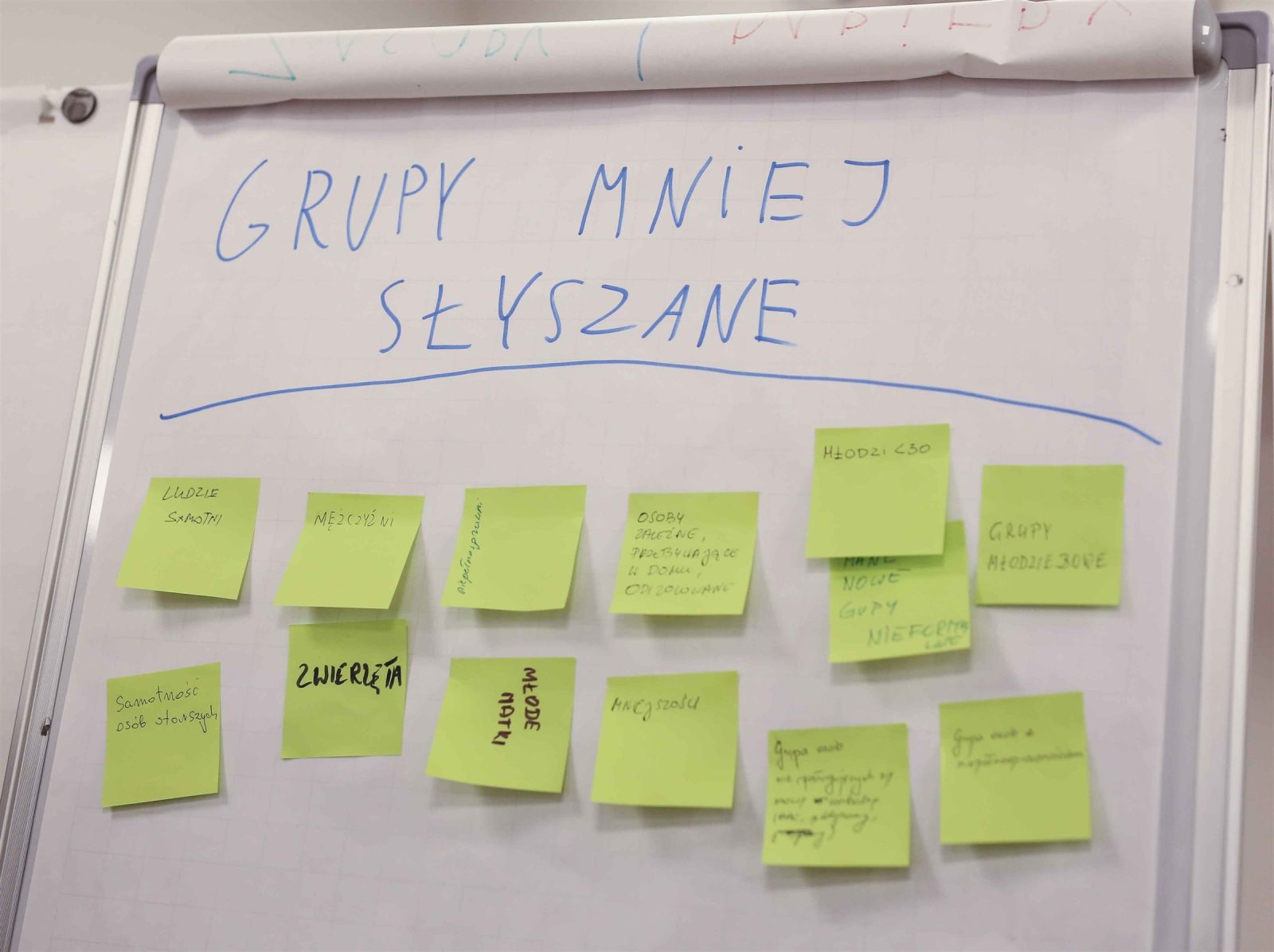
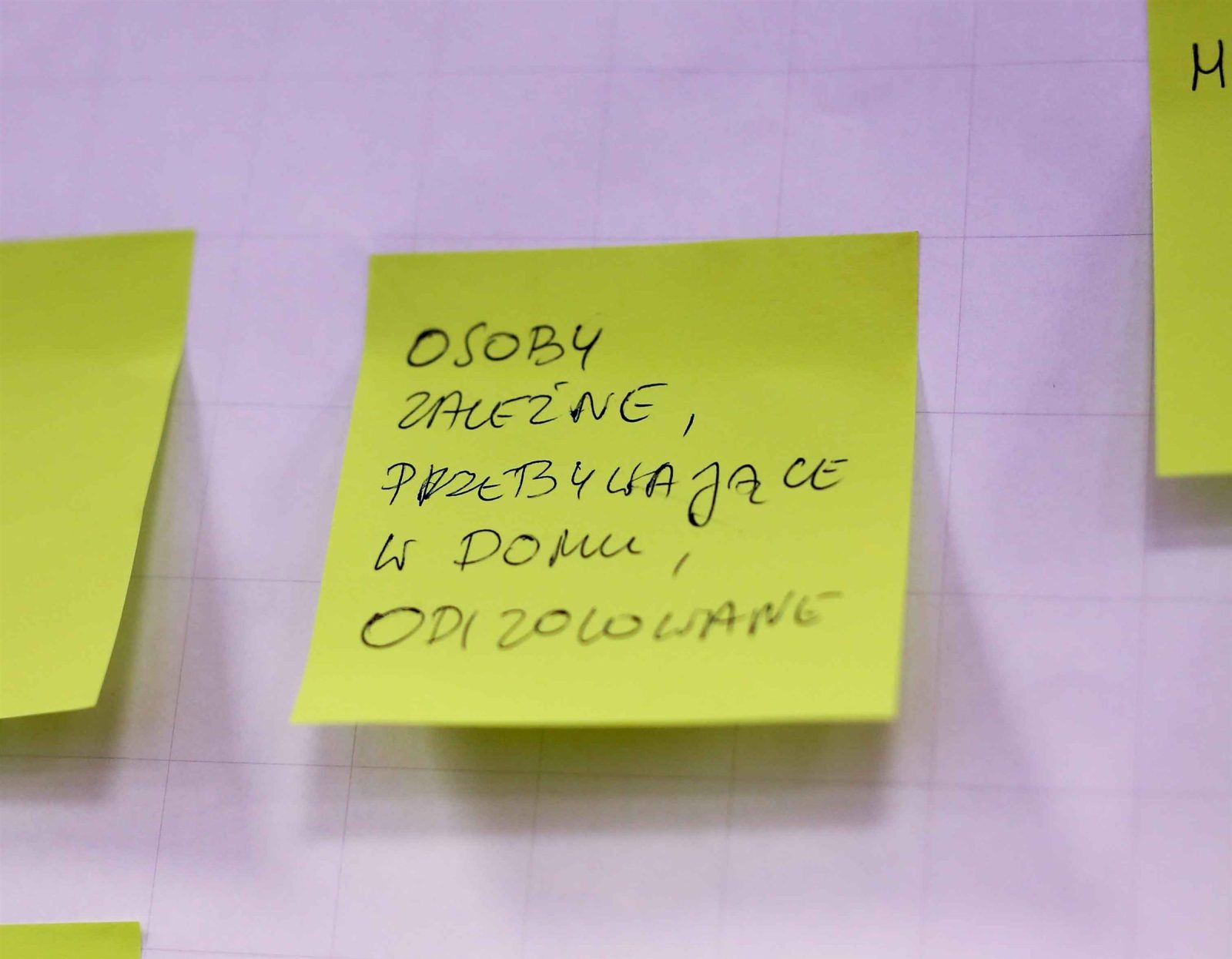
An important part of the discussion concerned people who are less often present in public conversation. They included young people, people with disabilities, young mothers, foreigners, and small organisations and informal groups. Attention was drawn to people who used to be socially active but have lost everyday contact with others due to age or illness. The discussion about young people raised a question: could withdrawal from activity also result from an earlier experience of not being listened to?
Topics for the next meetings
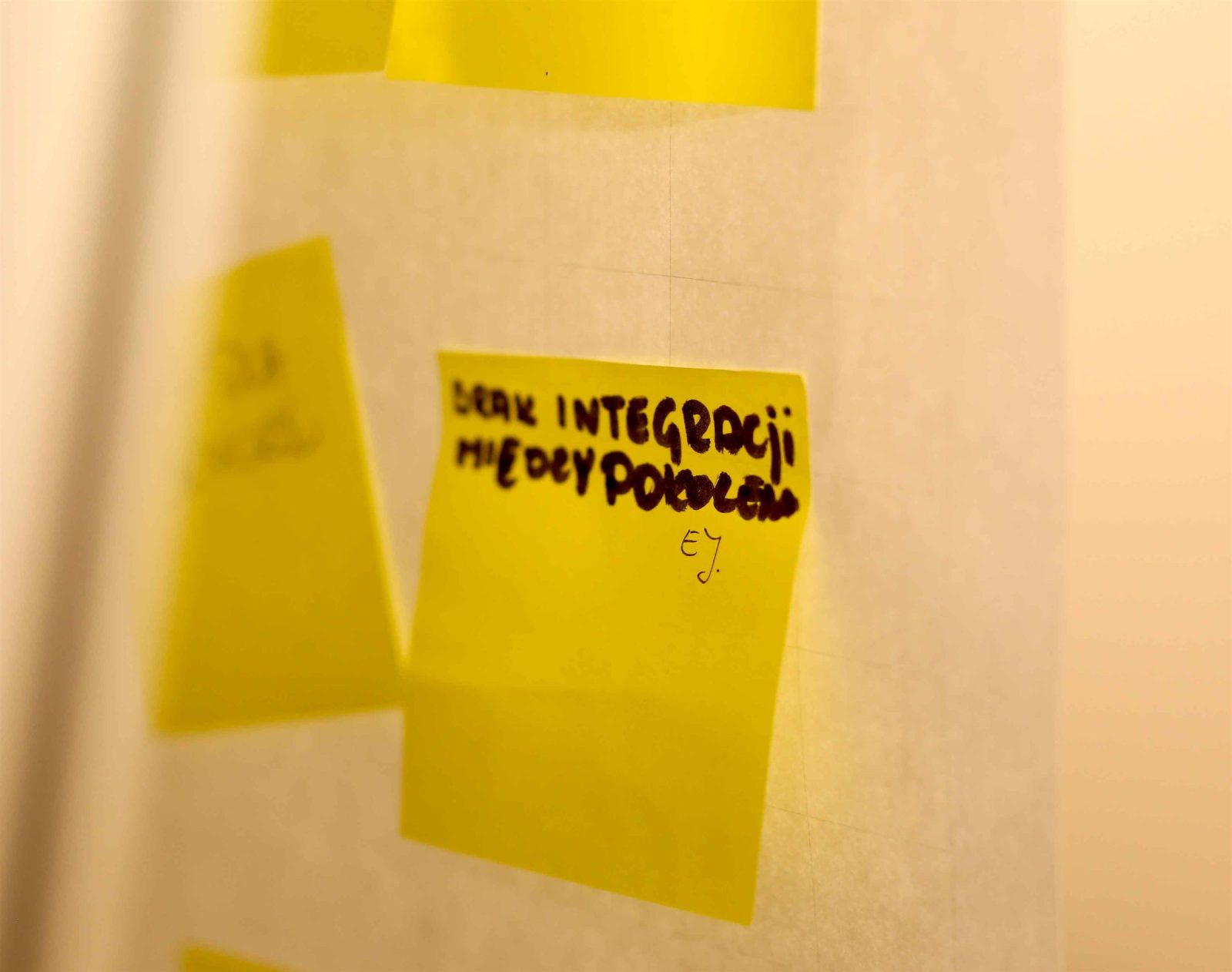
There were more contributions than could be discussed in detail at one meeting. The sticky notes also mentioned difficulties in accessing information, architectural barriers, small funds for neighbourhood initiatives and a lack of cooperation. These are topics to explore further at the next panels, together with the people who face these obstacles directly.
What next
The first meeting made it possible to identify concrete directions for further work:
- better information about available help,
- support with formalities,
- reaching people who speak up less often.
The proposals still need to be developed. Further conversations should help determine which solutions are needed, who can implement them and how to check whether they make it easier for residents to take action.
Would you like to join the next panels? You will find the dates in the calendar on the home page, and more about the project on the NOWEFIO – Rawicz in Dialogue page. You can also write to us:
This text presents the experiences of the meeting participants, not the results of a representative survey of residents. The directions for further work summarise the needs and ideas that were raised. They are not a resolution or a formal position of the whole group.
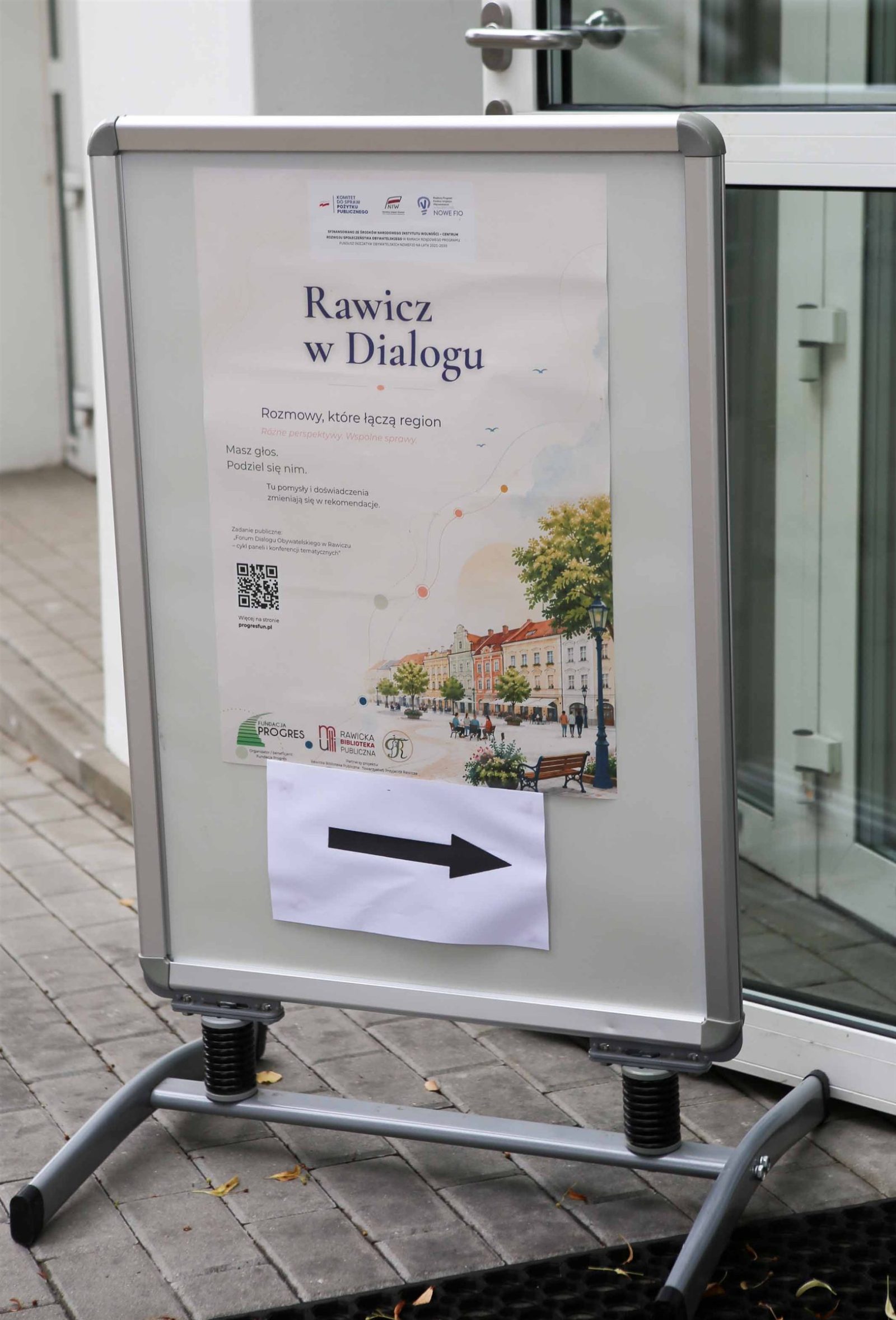
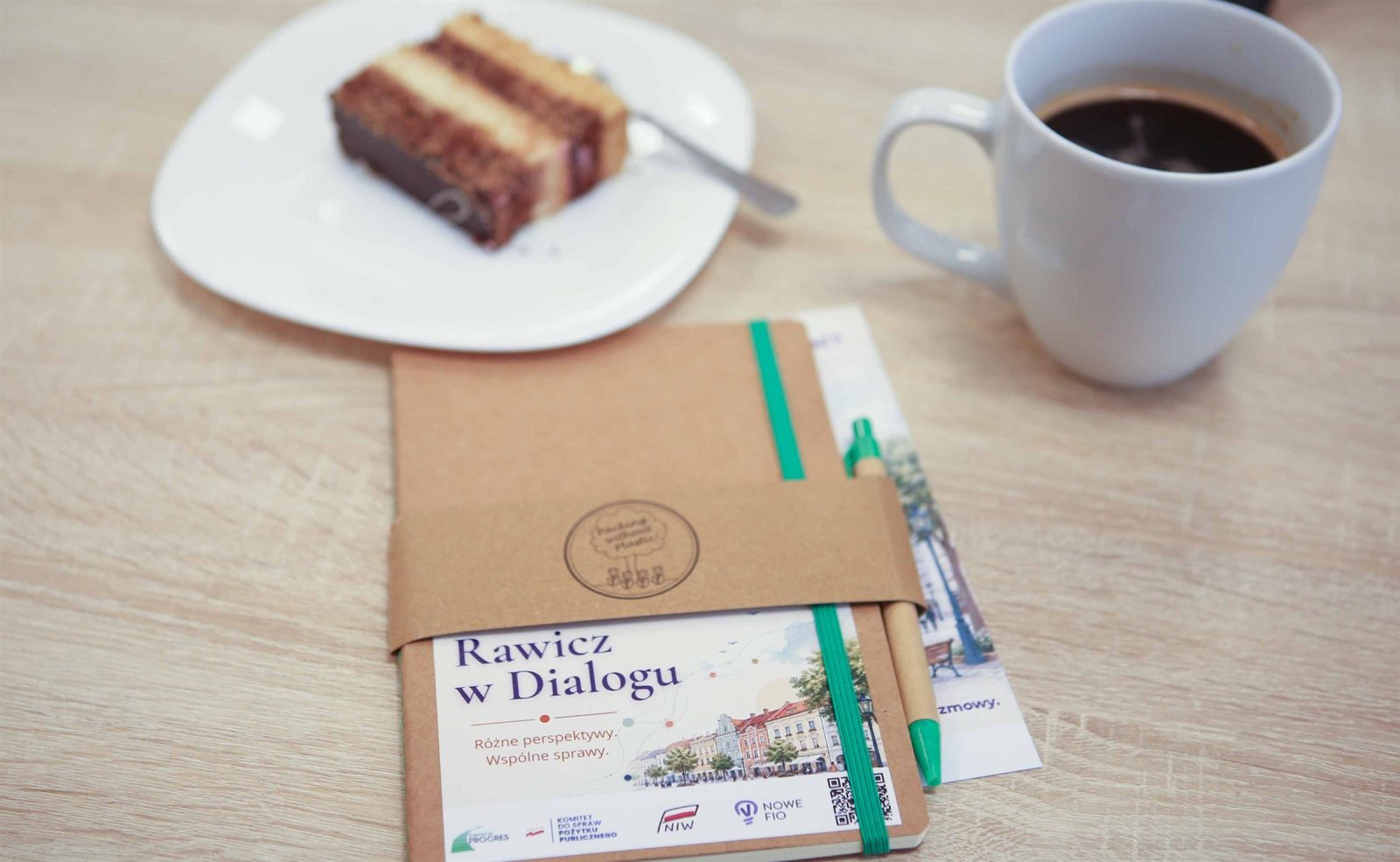
The panel was held as part of the project “Civic Dialogue Forum in Rawicz – a series of thematic panels and conferences”, financed by the National Freedom Institute – Centre for Civil Society Development under the Government Programme Civic Initiatives Fund NOWEFIO 2021–2030.